
History in the Hands of the People: What Participatory Research Makes Possible
/by Clare Nolan
Last year, our team at Engage R+D had the honor of facilitating a participatory research initiative on behalf of the Mellon Foundation. The goal was to conduct the first national landscape study of community-based archives (CBAs), independent, community-led organizations working to preserve histories and stories often overlooked or excluded from mainstream institutions.
While there is a rich body of scholarship about community-based archiving, surprisingly little was known about the field as a whole. Who are these organizations? Where are they located? What roles do they play in their communities? And what do they need to sustain their work?
Answering these questions was not going to be straightforward. CBAs range from small, volunteer-run collections to established nonprofits. Some have websites, paid staff, and formal collections. Others operate informally or without a public presence, sometimes intentionally. There is no national directory of CBAs, and many do not even identify as archives.
There was also the question of trust. CBAs have often been the subject of research without necessarily benefiting from it. Many are understandably wary of sharing information with outside institutions, particularly when their communities' histories have been marginalized, appropriated, or erased.
And the timing could hardly have been more challenging. As the study progressed, federal funding for cultural institutions was being cut, historical narratives were becoming increasingly contested, and some archives faced growing threats to their security and independence.
How could we conduct a national study of a field that was difficult to identify, stretched thin, and understandably cautious about outside researchers?
The answer was to do the research with the field itself.
Designing the Research Together
From the outset, Mellon recognized the study needed to be shaped by people who understood community-based archiving from the inside. The foundation assembled a Design Circle of CBA practitioners and scholars who worked alongside Mellon staff and our team to define the study's purpose, shape the research questions, identify whom we needed to reach, and consider how findings could be most useful to the field.
One of our earliest conversations centered on a deceptively simple question: What exactly qualifies as a CBA?
There were differing perspectives, particularly about archives housed within universities and other institutions. Some emphasized the importance of focusing on independent organizations that lack the resources and support available to larger institutions. Others favored a broader definition that recognized the varied ways communities organize and sustain archival work.
Through these discussions, we refined the study’s boundaries to recognize the field's diversity while maintaining a focus on independent, community-led archives. We defined a CBA as an independent, community-led organization that preserves, documents, and shares histories that expand our nation’s stories beyond what mainstream archives hold, and that uses this archival and memory work to advance a shared community goal. These discussions led Mellon to refine the definition of CBAs it uses, such as in recent open calls for proposals to these archives.
Trust Takes Time, and Sometimes a Different Plan
As we prepared to launch the survey, Design Circle members raised another important concern. Sending an invitation from Mellon and Engage R+D, even through trusted networks, might not be enough to encourage participation. Why should CBAs take the time to complete yet another survey? How would their information be used? Who was behind the study, and what would come of it?
One member suggested hosting a webinar to give prospective participants an opportunity to hear directly from Mellon and the Design Circle about why the research mattered and how it could benefit the field. Others quickly embraced the idea. It was an excellent suggestion, but one we hadn't planned for. Organizing the event would require additional time, coordination, and resources. Mellon supported the change, recognizing that building understanding and trust was as important as collecting data.
The Design Circle also helped us think through how to best reach participants. Members shared the survey through their own networks, and encouraged outreach through other trusted leaders and organizations. They reviewed survey questions with an eye toward language that might exclude some respondents and encouraged us to recognize the many activities CBAs undertake beyond preserving historical materials, including education, organizing, and cultural programming. They also pushed for participation to be more accessible, by offering the survey in Spanish and providing alternatives to completing it online.
Making Sense of the Findings Together
Ultimately, 336 CBAs from across the United States and its territories participated in the survey, providing an unprecedented view of this diverse field.
The findings confirmed what many Design Circle members already knew from experience. CBAs play essential roles in preserving cultural memory, sharing knowledge, and strengthening community connection. Yet they operate under remarkably precarious conditions.
Nearly half of participating archives had annual budgets below $100,000. Many depended heavily on volunteers, and 78% identified multiyear or general operating funding as a top priority, even as only 30% had secured multiyear support.
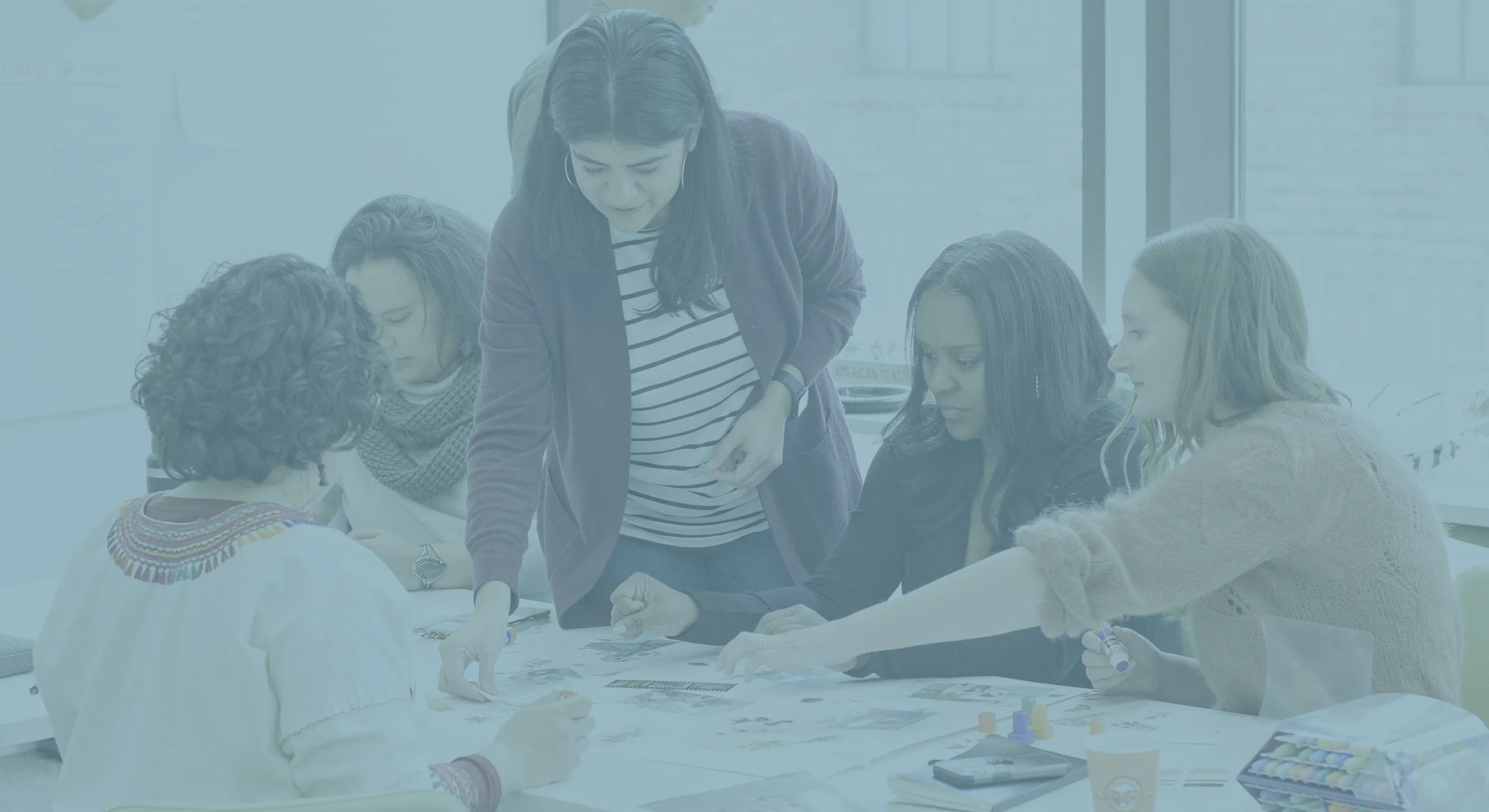
We brought these preliminary findings back to the Design Circle during a two-day gathering in New York. Members helped us interpret the data, identify surprises, and determine what deserved further exploration through interviews and focus groups.
Later, as we developed the report, Design Circle members cautioned against portraying CBAs primarily through the lens of scarcity and vulnerability. Yes, these organizations face serious funding and capacity constraints. But they are also resourceful, innovative, deeply connected to their communities, and often remarkably resilient. Their financial precarity reflects longstanding patterns of underinvestment, not a lack of organizational capability or value.
Members also challenged us to think about how to communicate findings to funders who might not ordinarily see CBAs as relevant to their priorities. Archives contribute to education, civic engagement, community development, artistic expression, and social movements. They are not simply places where historical materials are stored. They help communities understand their past and shape their future. These conversations influenced how we framed the final report, Powerful but Precarious: Mapping the Landscape of Community-Based Archives.
They also reinforced that involving people in interpreting and framing findings can be just as important, if not more so, than involving them in designing the questions and methods.
What Happens When Research Belongs to the Field?
Over the course of my career, I've conducted research and evaluation for government agencies, academic institutions, elected officials, and some of the nation's largest foundations. I've seen findings presented at conferences, discussed in boardrooms, and incorporated into organizational strategies.
But I've rarely witnessed the kind of response that has accompanied the release of this report.
Within its first week, Mellon’s announcements attracted hundreds of reactions and dozens of reposts on LinkedIn. More interesting than the numbers, however, has been what people are saying. Community archivists, museum professionals, historians, and others have been sharing findings alongside their own observations and experiences. Some have highlighted the enormous contributions CBAs make with limited resources. Others are considering how the findings can make the case for greater investment or expand access to community histories.
There are several reasons for this response. Mellon has spent years building relationships with CBAs and investing in their work. The field has long needed greater visibility and recognition. And the findings come at an especially consequential time.
Still, I believe the participatory process mattered. Design Circle members brought their expertise, challenged assumptions, opened doors to new participants, and helped shape a report that reflected the field’s priorities and experiences. Mellon was willing to listen, adjust its plans, and devote additional resources when needed.
Participatory research takes time. It requires flexibility, a willingness to share decision-making, and recognition that research expertise is only one kind of expertise. It doesn't eliminate power differences between funders, researchers, and communities, or guarantee that every perspective will be represented. But it can produce research that people recognize as relevant to their experiences and can use to advance their goals.
At our final meeting, one Design Circle member reflected that this kind of collaboration was exceptional, but shouldn't be. It should be how funders work with the communities and organizations they seek to support. I couldn’t agree more.
Mellon titled its webpage introducing the report History in the Hands of the People. It's a fitting description of the work CBAs do every day, ensuring communities can preserve and tell their own stories. I’ve always been a fan of participatory work, but this project left me with a renewed appreciation for what becomes possible when we put research in the hands of the people.
This weekend, consider visiting a CBA near you. You may discover histories you never knew existed, meet people doing extraordinary work to preserve them, and come away with a deeper appreciation for why this work matters.
Better yet, consider what you might do to help sustain it.
